On Making a Knob, Briefly
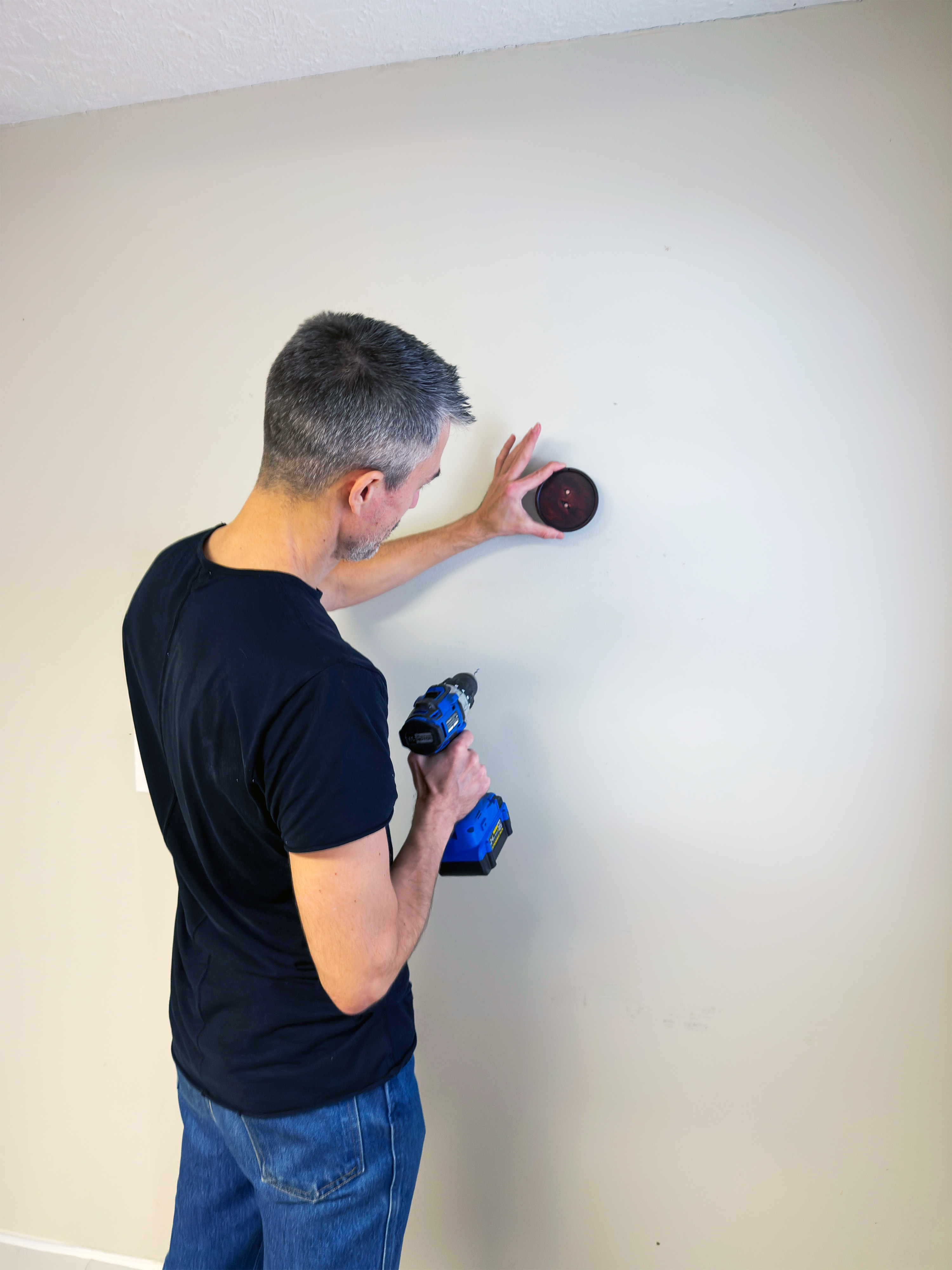
There was nowhere to hang our coat in our new place on Prospect Park West.

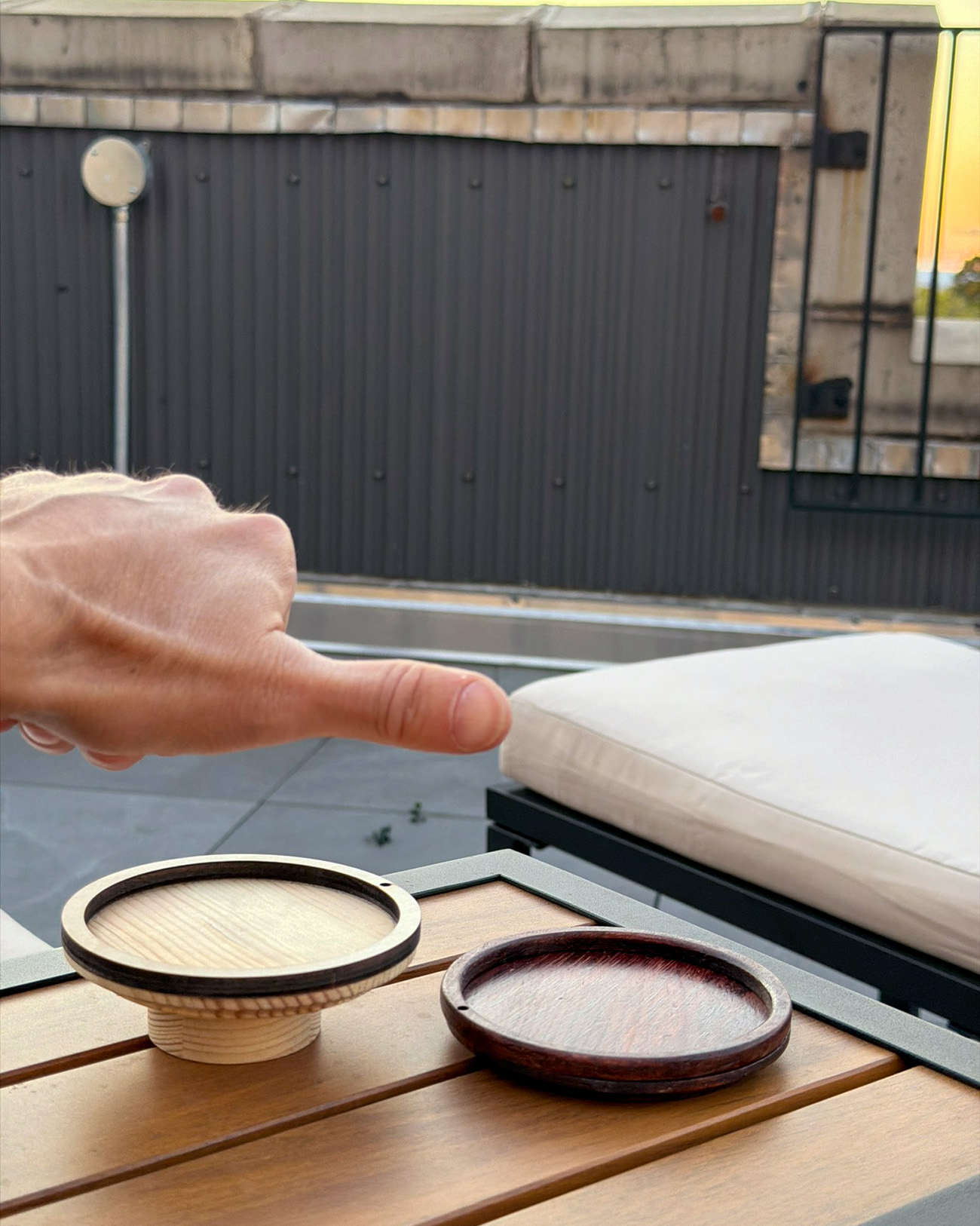
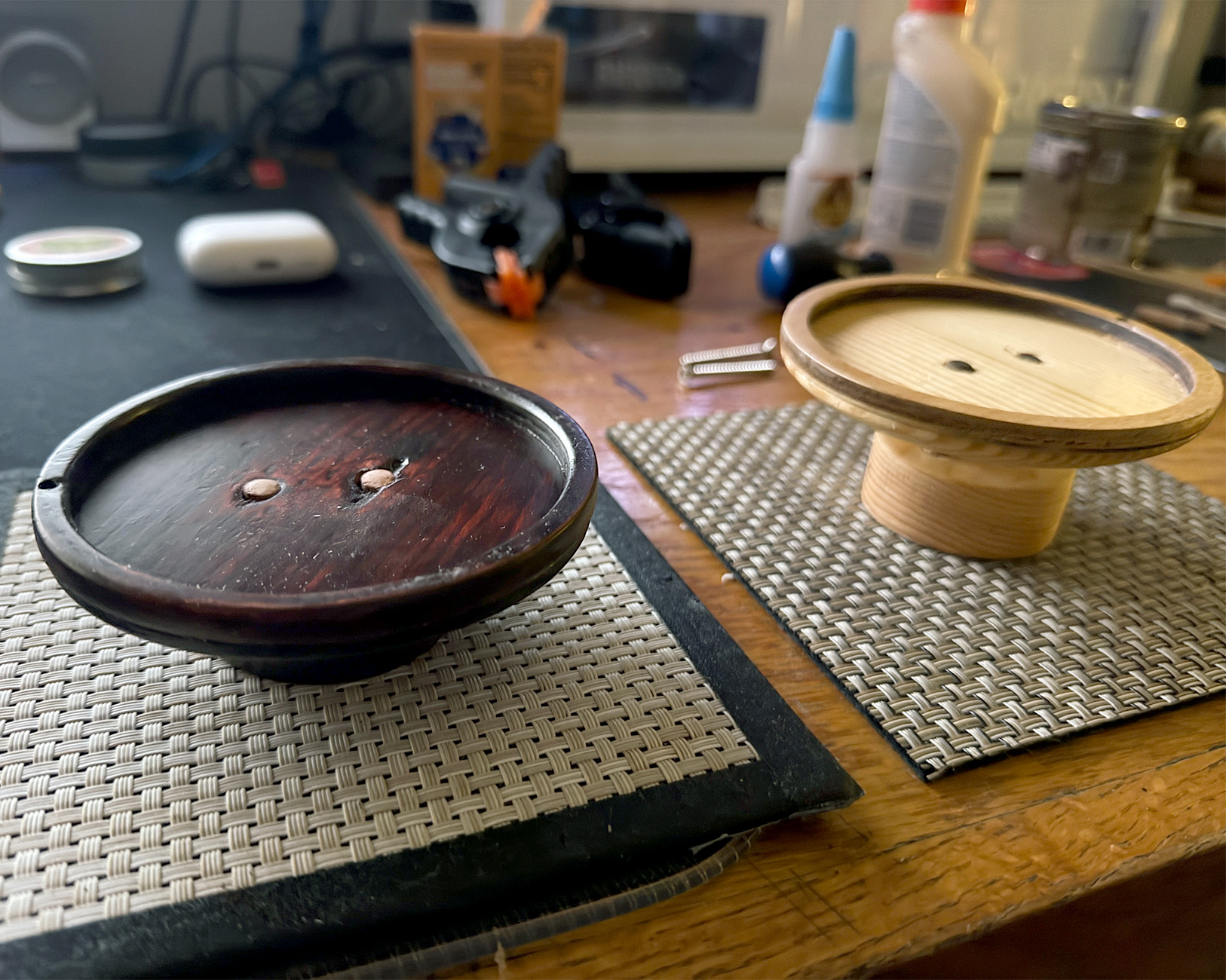

*The Knob A 4″ diameter disc with a ¼″ laser cutting of the same pine wood; the unstained cylindrical base anchors the endeavor to the wall. Sanded disc and coated in polyurethane, the star slipped in to seal the deal.
After enough days at the screen the hands start asking. There is no thesis attached. Just an unhung coat and the want of something to hold that isn't a phone.
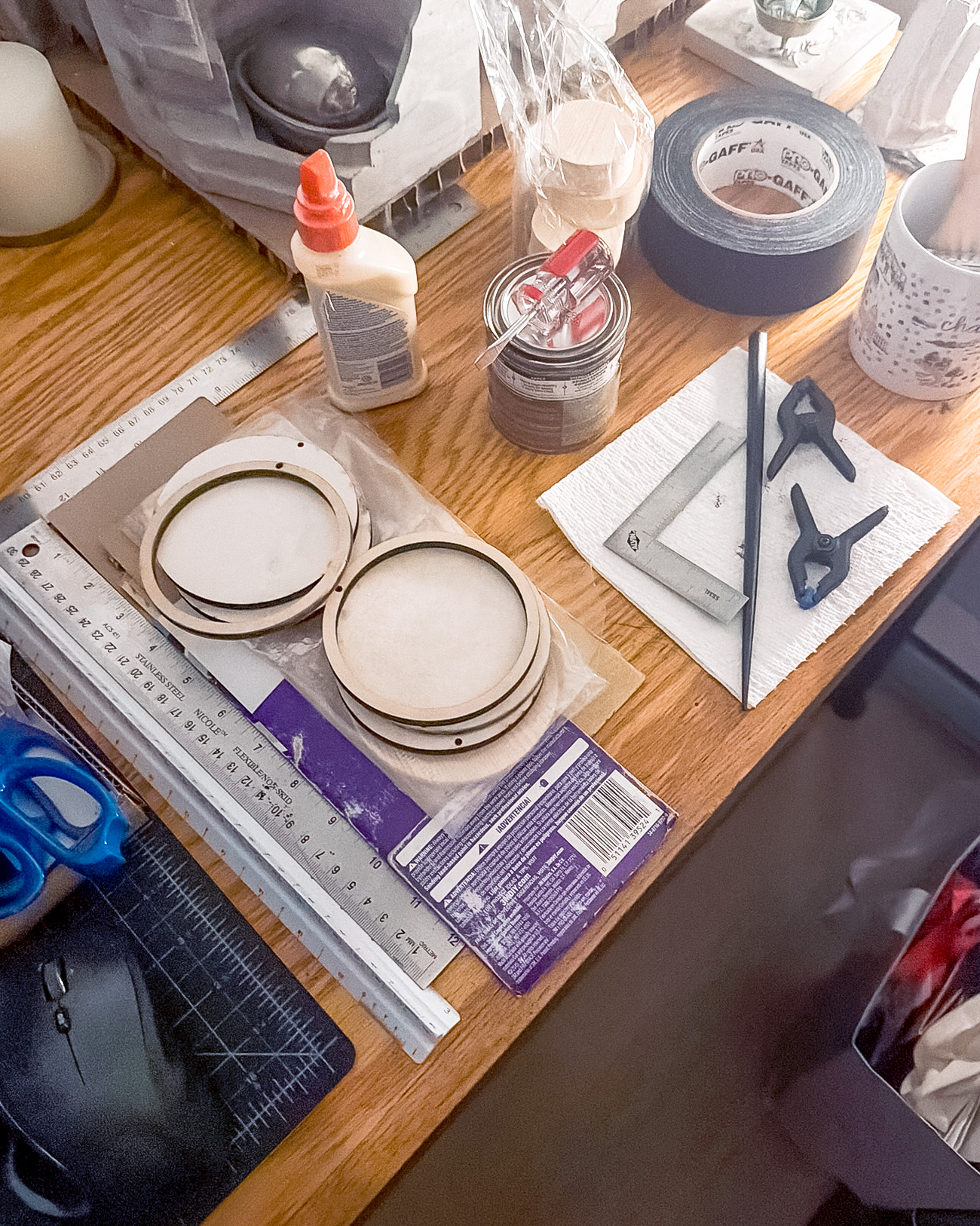

I had been looking at a similar design by Dorothy Loupang at BRANDT Copenhagen while researching specifications for the Parker residence — knowing I couldn't attain that level of craftsmanship, but that I could attain a level of it. There was no drawn brief, no inspiration document — just the want, and a few hours. So I took stock of what tools and unused saved materials I had on hand, and got to work.
One summer between semesters in Ithaca, I worked for a local woodworker named Jim Bruno. He taught me how to find the center of any circle with a square. Mark two intersections, two times. The center reveals itself. I have used this trick more times than the work it was meant to support.
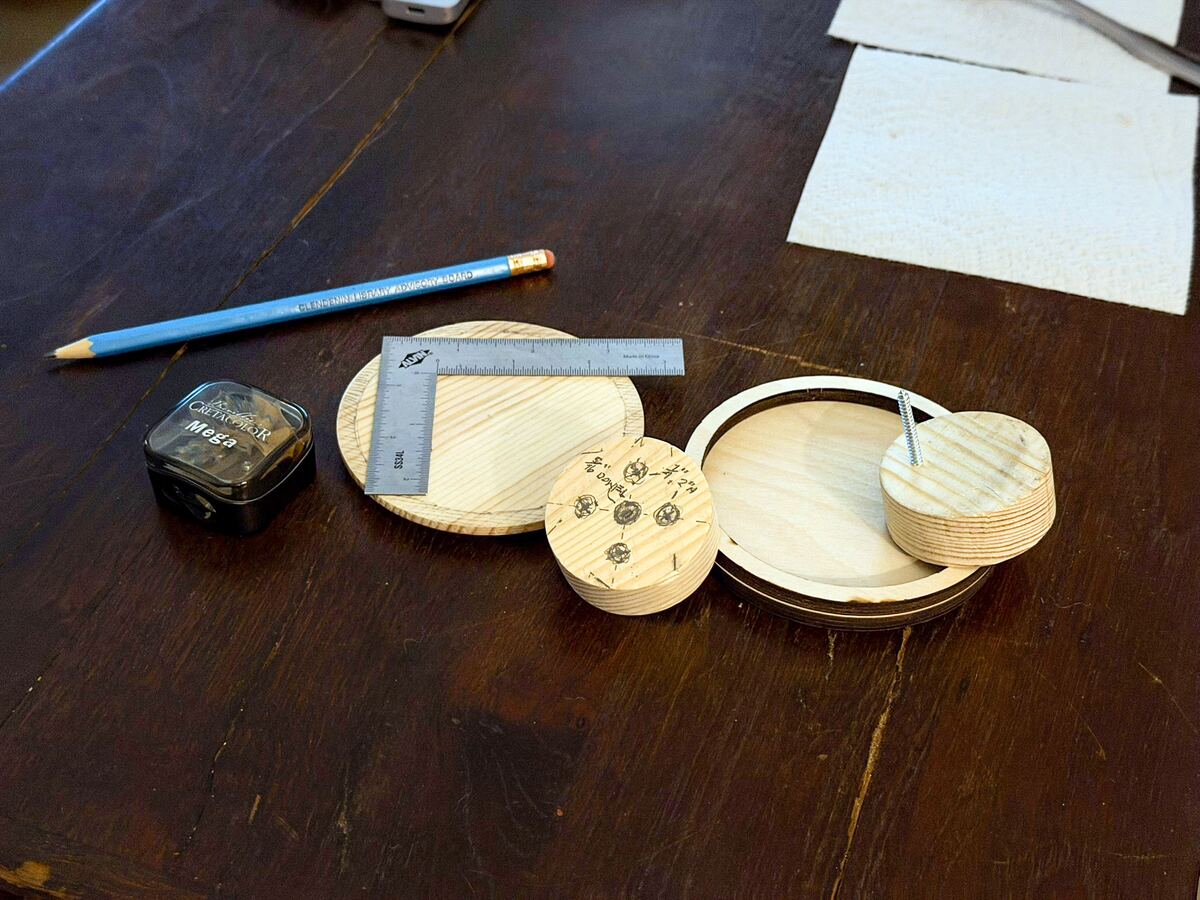
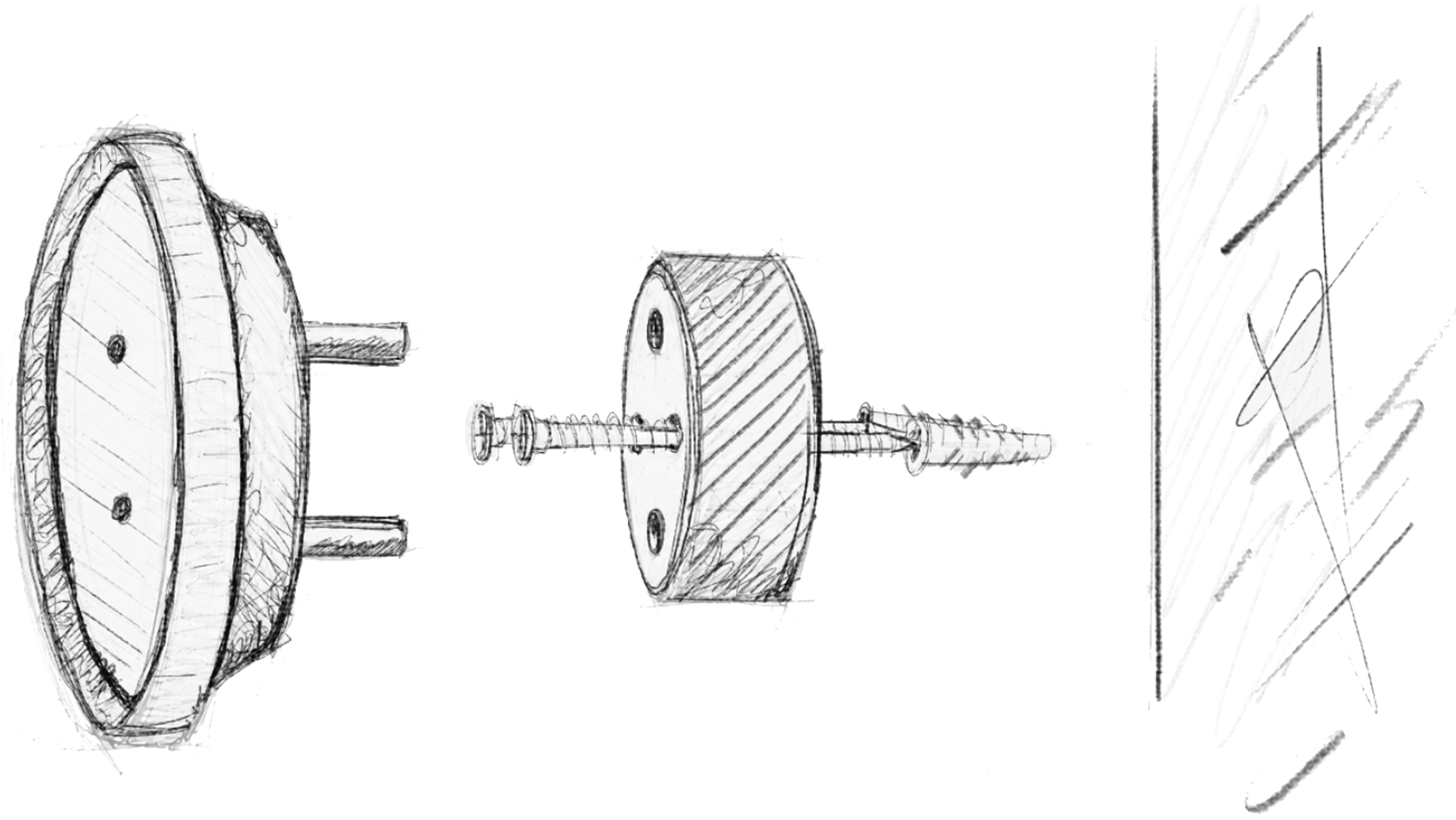
There was some trial and error in the spacing between the dowels and screws — and the depth of each within the base cylinder. Tolerances had to be tight for a snug fit, but pine is not the hardest of woods, and splitting it is easy. A ¼-inch drill bit and some wriggling did the trick.
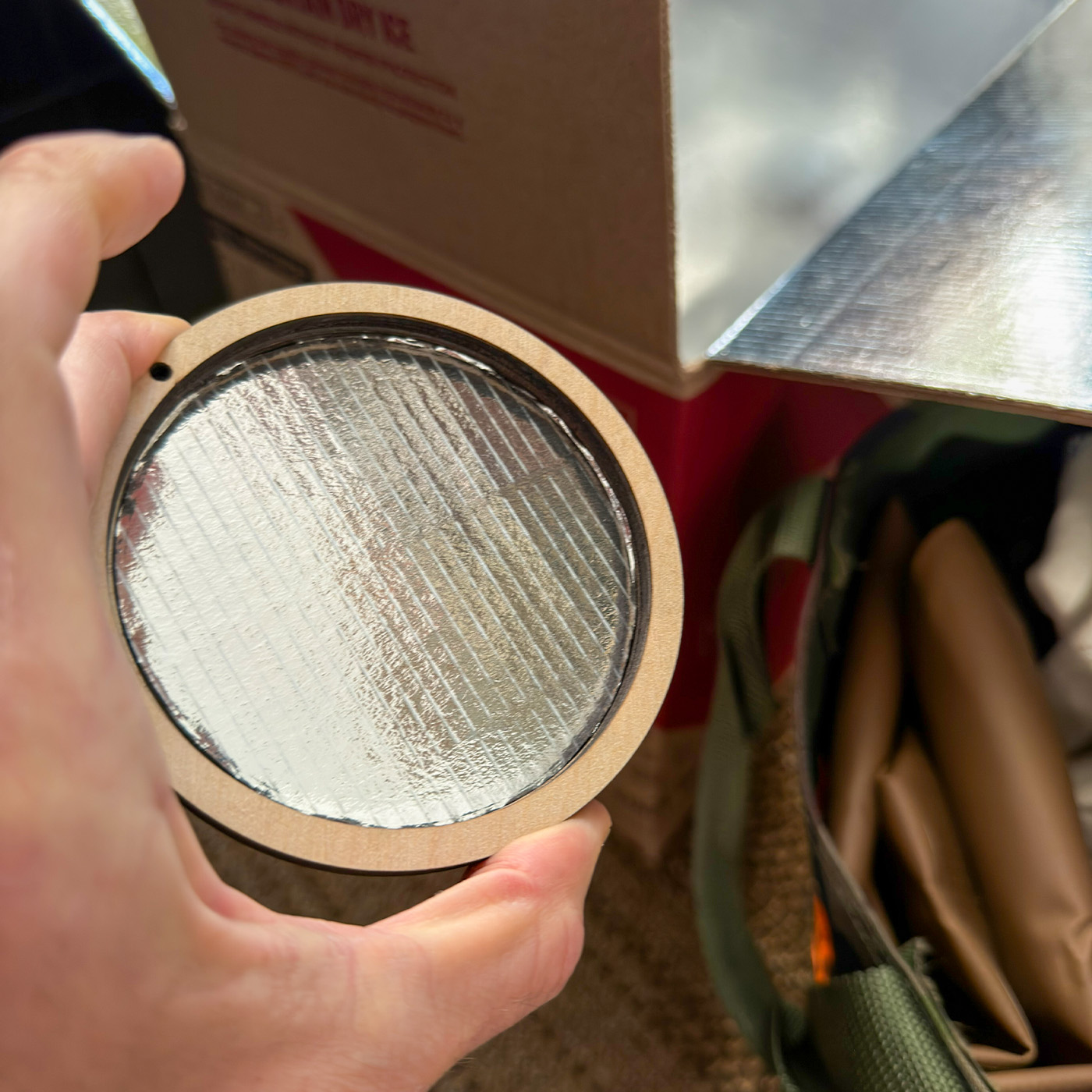
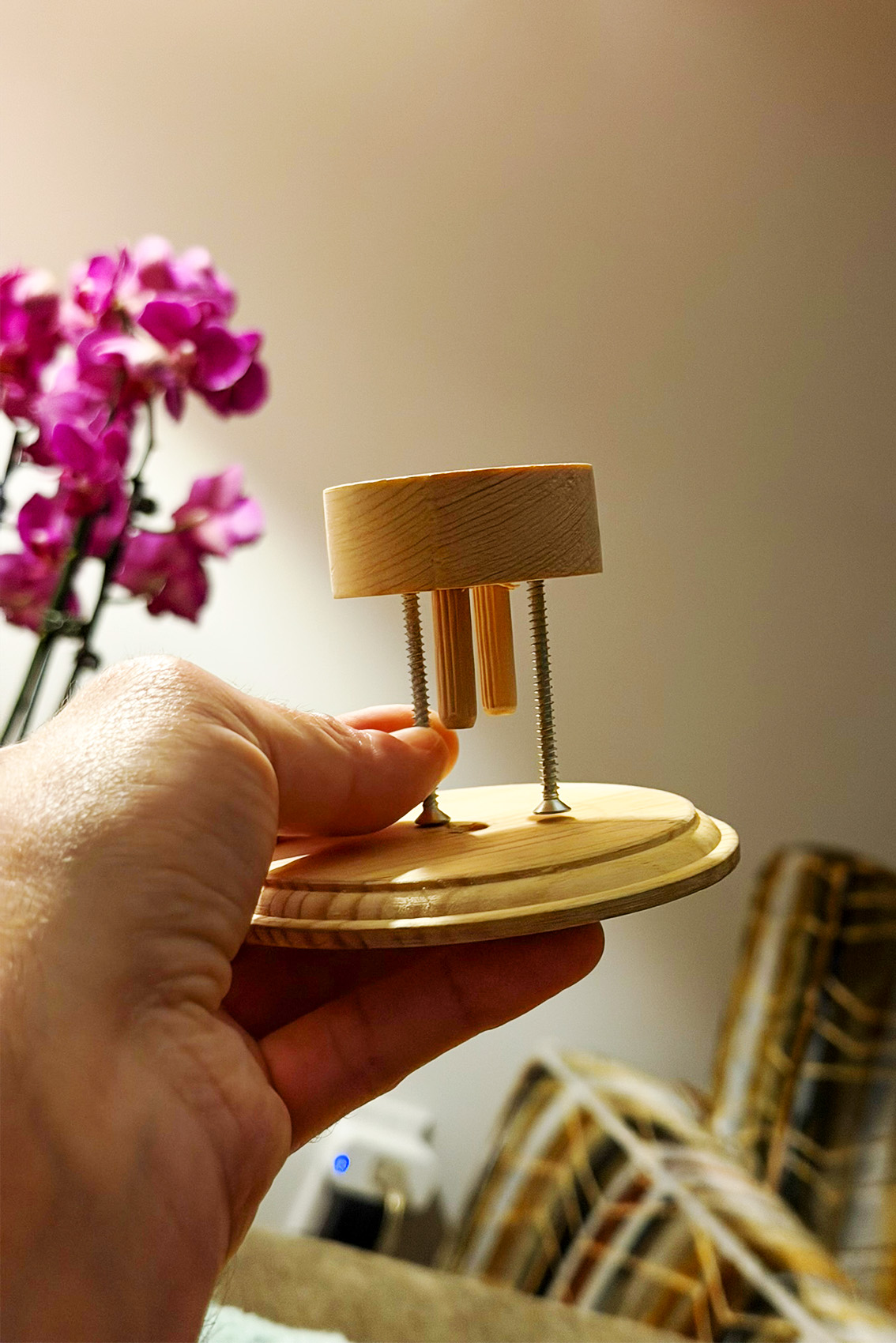

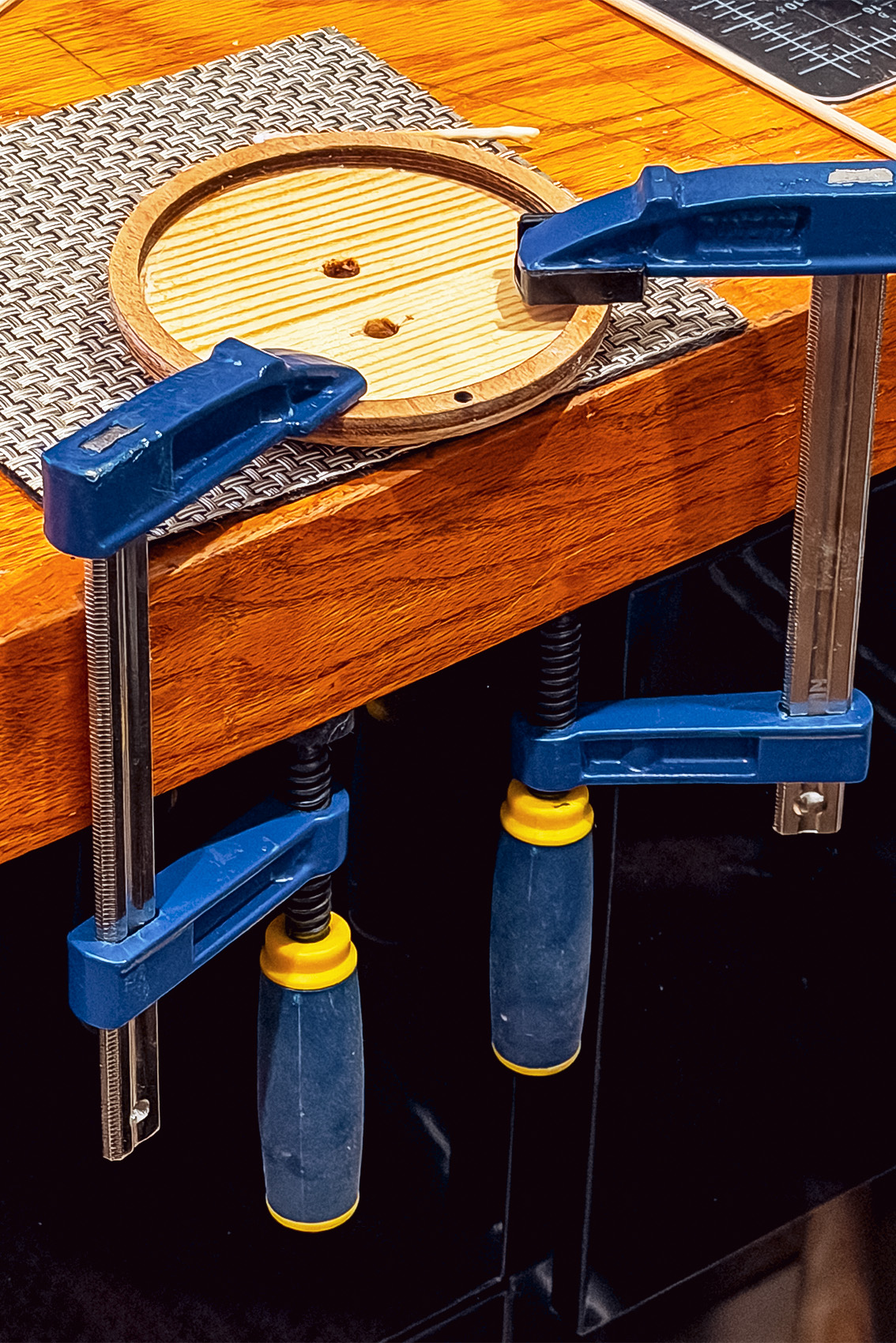
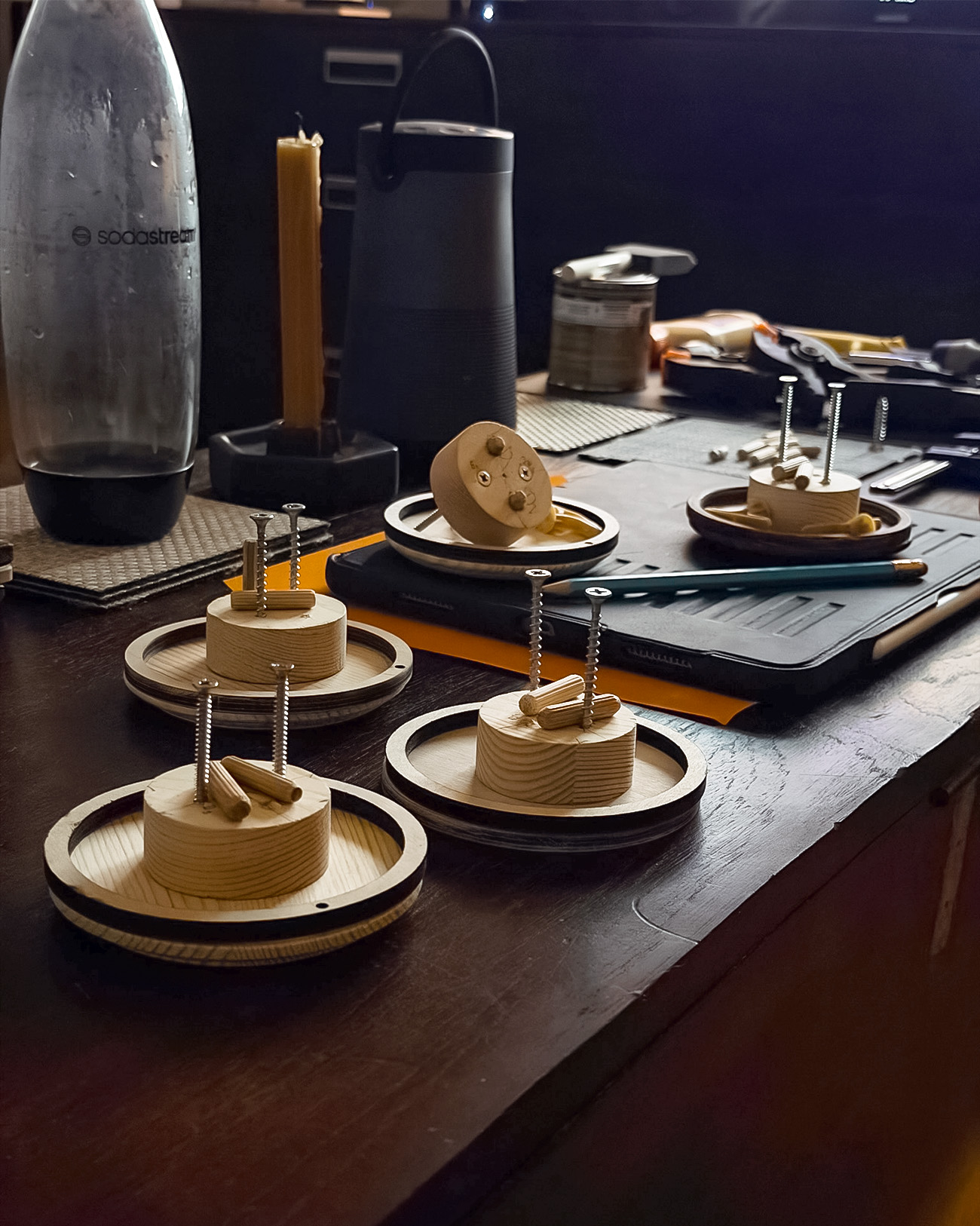
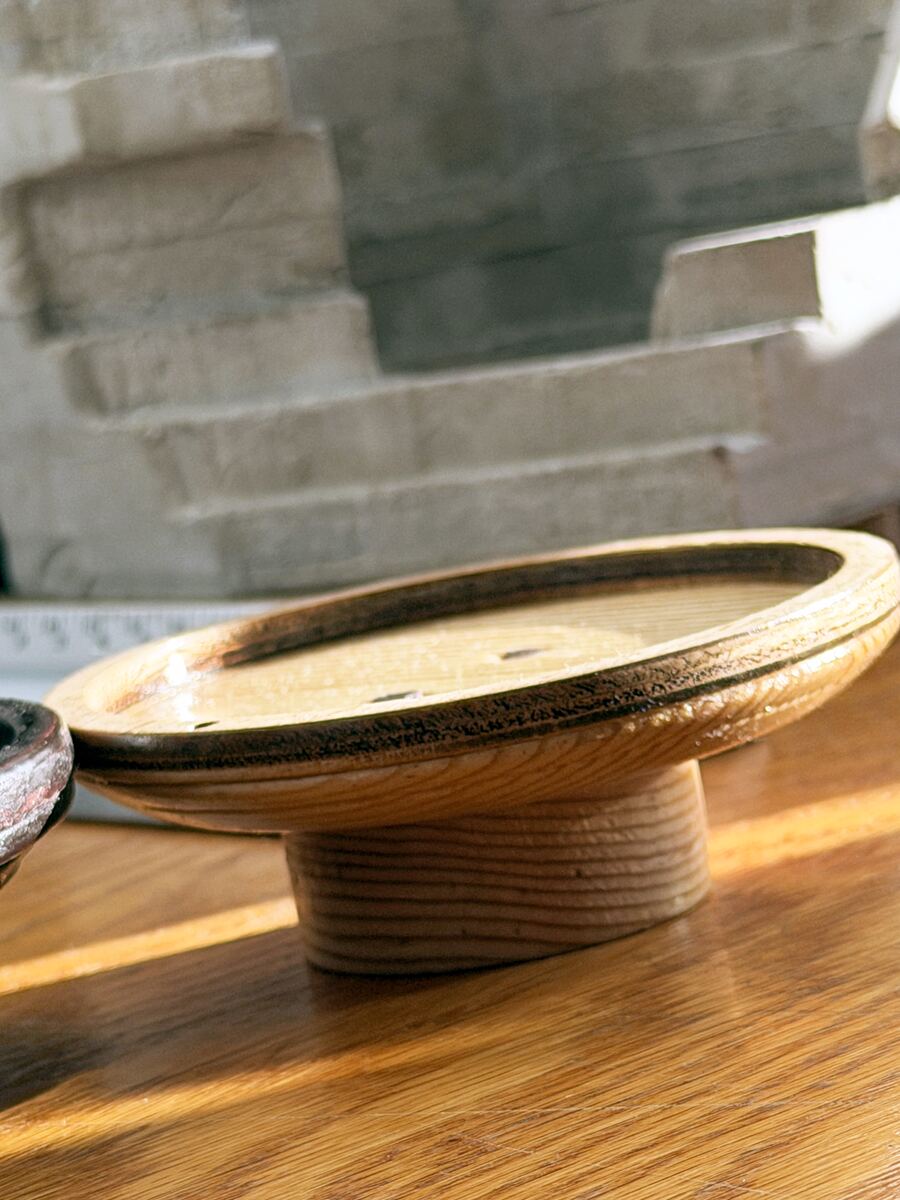
It shows the lines of its combinatory assembly — the charcoal stain mocks me, knowing I was not involved in its production. The competing directions of the wood grain. The not-loved subtle inset line just below the rim, a seam from the pre-constructed plaque that I chose to keep, deciding that given the quick nature of it all, this moment as structural expression is just fine.
Wood, for what it's worth, is also the rarest material we know of in the universe. Life-grown, planet-specific, found nowhere else we have looked. Working it for a few weekends is a small thing sitting inside a much larger fact.
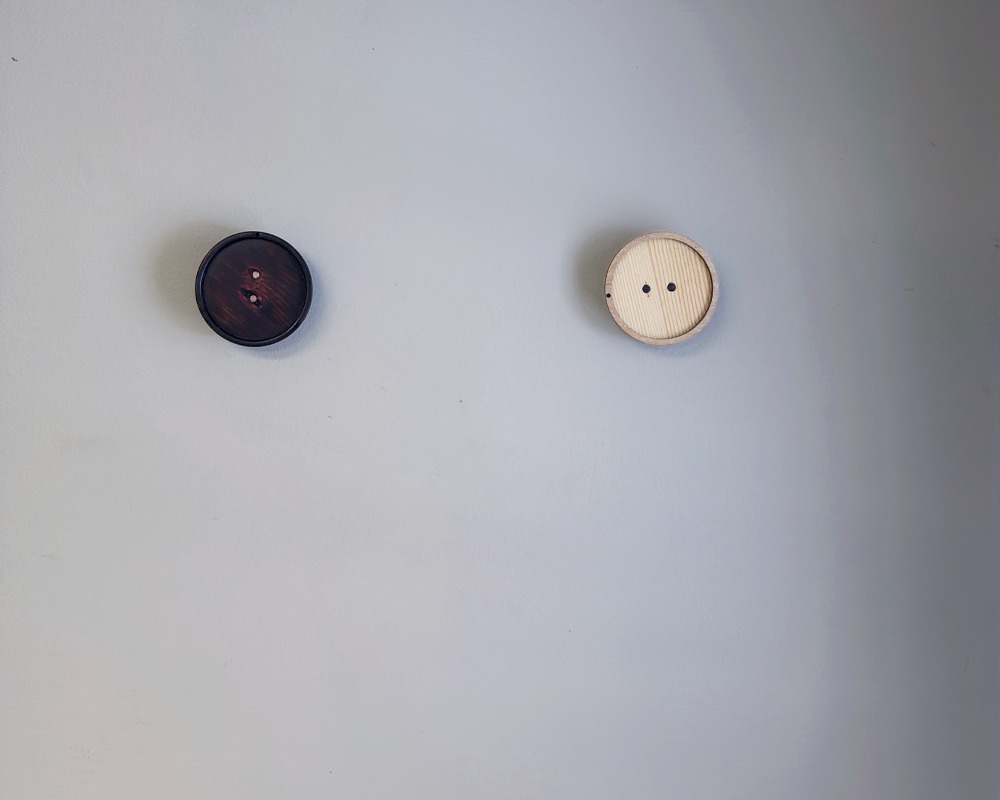
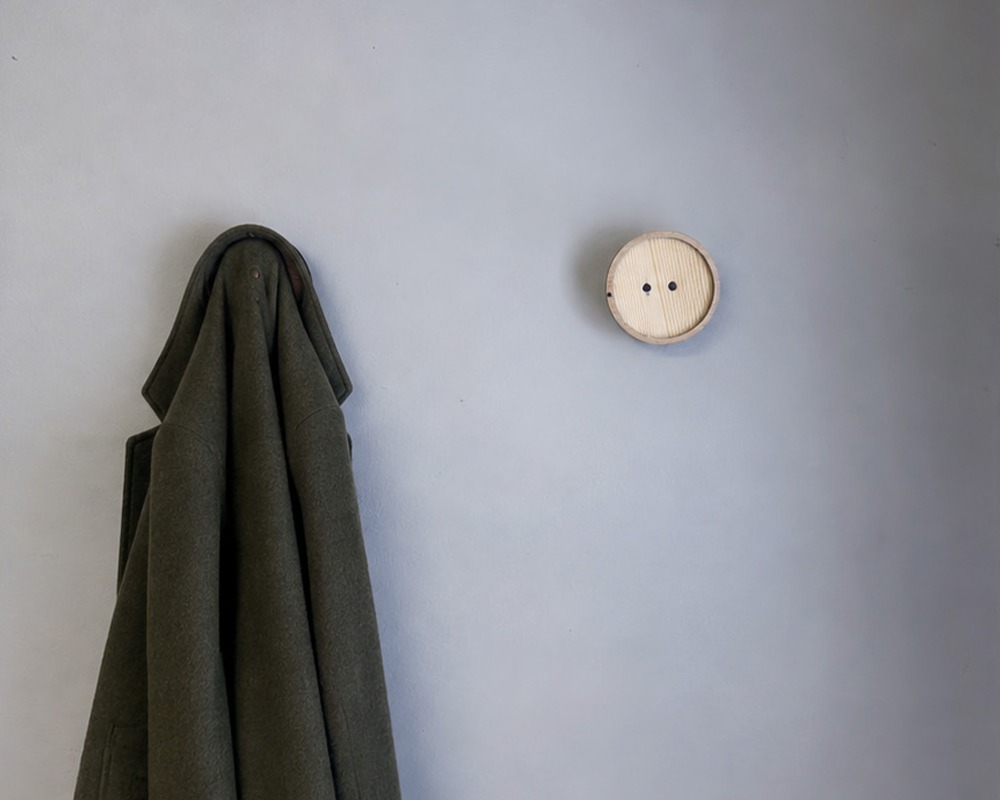
The knob in button materials
The easy version of this section is a swatch board. Here is the knob in horn, here it is in shell, isn’t that nice. That is decoration, and everything else in this study is a record of decisions.
I asked the wrong question first: which of these materials survives being blown up to four inches? It sounds like the right question. The answer it gives is mostly wrong, because the question assumes the whole object has to be made of the material — including the cylinder glued to the back, two inches across and three-quarters of an inch deep, which spends its entire life facing the plaster.
That cylinder holds as much material as the disc in front of it. Half of this object is invisible. Making the hidden half out of horn puts most of the horn against the wall — and in the materials that come flat, you could not buy it anyway. Horn and casein arrive as plate and sheet, shell at one to four millimeters. A solid three-quarter-inch block of any of them does not exist at any price.
I had filed that as a failure of the material. It was a failure of my own brief. Let the back be what it already is — a substrate, in pine or in bored brass — and the question changes completely.
The constraint is not quality. It is diameter. Almost everything on this board can make a four-inch face. Two cannot, and they fail for the same reason: they arrive as small pieces.
Corozo is a nut, about 70 mm across at the largest grade sold. Trochus is a shell, and its own curvature caps a blank near 18 mm. Neither will ever cover a 102 mm face, and no amount of money changes that. Everything else — resin, acetate, leather, casein, horn, brass — comes as sheet, block, plate, hide or rod wide enough to cover it. Which means the horn version is not a wish. I could have one on the wall.
Leather · if you want it now
Ninety percent prototype, scales without limit, and the only row where the two dowel dots get better rather than erased.
Buffalo horn · if you want it right
The material of a real overcoat button, and with pine or brass behind it, genuinely makeable.
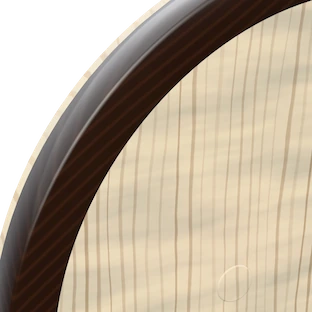
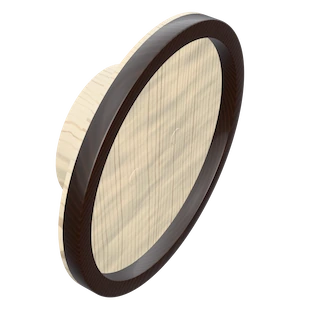
quartersawn pine, mahogany ring — as built
- wood →
- AS BUILT · janka 380
- body →
- PINE
- dots →
- ¼″ fluted pine dowel pins
The control, not the summit. Every row below is measured against this one.
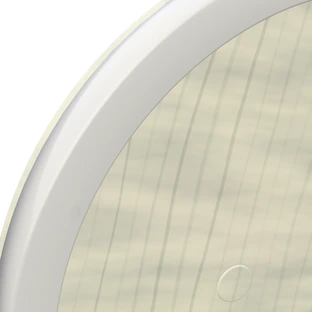
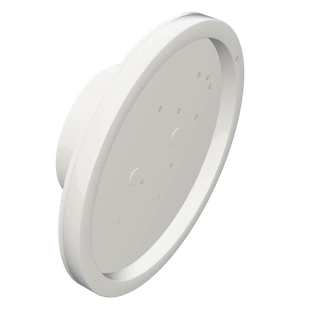
cast, any size, any color
- wood →
- YELLOW POPLAR · harmony · janka 540
- body →
- MATCHING, MOLDED INTEGRAL
- dots →
- cast in, or an embedded contrast disc
Total freedom and nothing at stake · a simulation of every row that follows · yellows under UV, which is its own indictment on a page about an object that should darken where a coat rubs it.
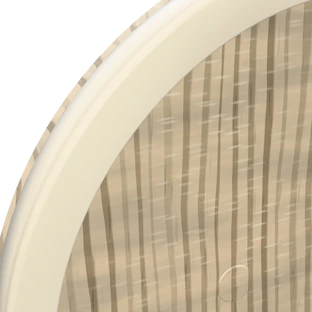
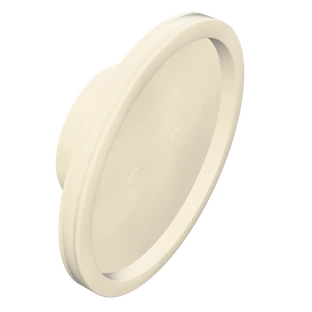
molded — tool-gated end to end
- wood →
- QUARTERSAWN WHITE OAK · contrast · janka 1,350
- body →
- MATCHING, MOLDED INTEGRAL
- dots →
- molded integral; there is no separate part
Fakes horn’s weight and shading convincingly, and it is what a real factory would quote · there is no such thing as one of these · and “formaldehyde” is a word you may not want beside a hand-turned object.
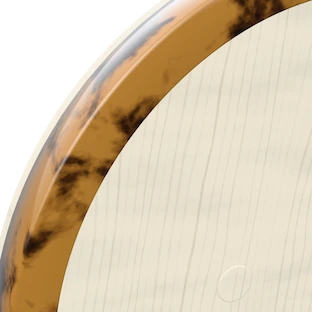
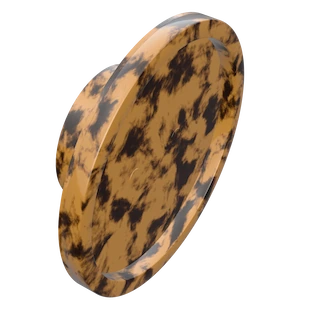
eyewear block and sheet
- wood →
- EUROPEAN SYCAMORE · contrast · janka ~800–1,050
- body →
- MATCHING
- dots →
- plugs in a second colorway from the same sheet
The tortoiseshell button at four inches, which makes the button/knob equivalence literal rather than metaphorical · still a plastic, and the figure had to be re-scaled or it reads as camouflage · yellows and shrinks slowly, exactly like an eyeglass frame.
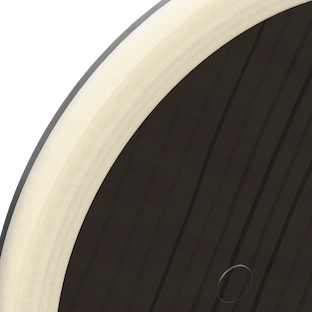
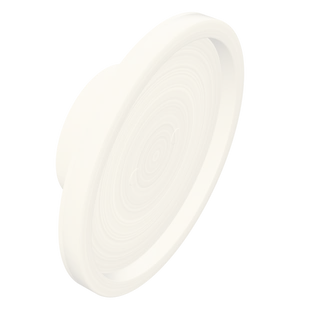
the nut — deep, not wide
- wood →
- GABOON EBONY · contrast · janka 3,080
- body →
- MATCHING
- dots →
- corozo plugs, invisible against corozo
Vegetable ivory — wears like a fine hardwood, dyes like a fabric, graded above every plastic beneath it · the nut is not four inches across and never will be · and it looks like wood, so it makes the least visual argument on the board.
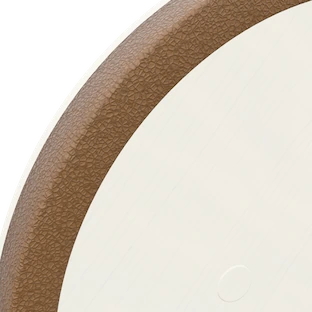
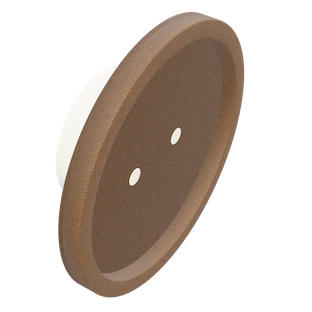
vegetable-tanned hide over a form
- wood →
- HOLLY · contrast · janka 1,020
- body →
- THE OBJECT’S OWN PINE
- dots →
- PUNCHED REVEALS SHOWING THE PINE BENEATH
The one material the coat is already made of · the only row where the dots get better, turning the wood from hidden substrate into deliberate disclosure · burnishes precisely where it is touched, which for a coat hook is a story rather than wear.
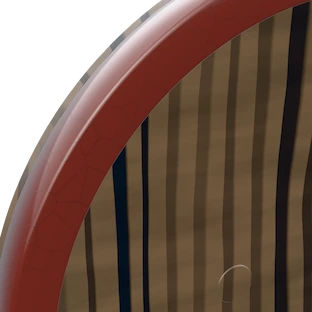
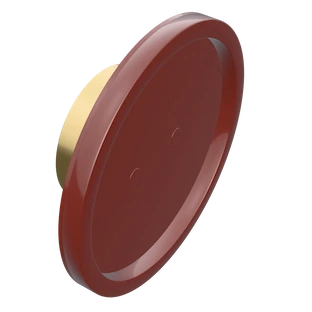
sheet — no longer manufactured
- wood →
- MACASSAR EBONY · harmony · janka 3,220
- body →
- BORED BRASS
- dots →
- dyed plugs in a second color — casein’s one great gift
The great button material of 1900–1940, and nothing since has matched its color depth · it is sold from residual inventory because it is no longer produced · and it crazes if it is ever damp, which is a real question beside a New York entry door in February.
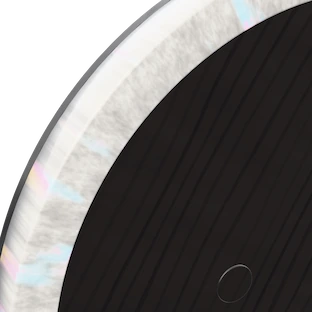
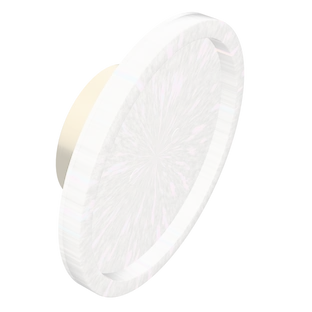
button blank, 28L maximum
- wood →
- AFRICAN BLACKWOOD · contrast · janka 3,670
- body →
- BORED BRASS
- dots →
- cross-grained nacre plugs that flash against the face
The one material on the board that best captures the changing light in the room, and at four inches that is spectacular in a way a 19 mm button never can be · one shell gives eighteen millimeters, so any four-inch face is a mosaic · essentially unchanged by age, if the substrate stays still.
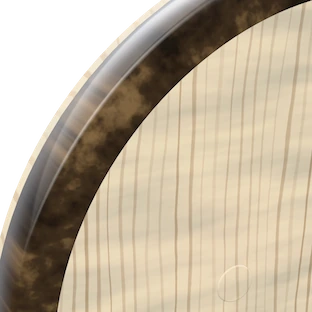
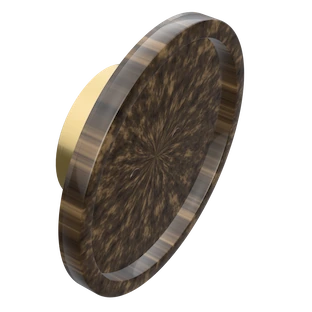
pressed plate, water buffalo
- wood →
- EASTERN WHITE PINE · contrast · janka 380
- body →
- BORED BRASS
- dots →
- turned horn plugs, a shade darker — nearly invisible
The material of a real overcoat button — the thing this object has been pretending to be for the whole study · under the one stop every row shares, it lands at a third the luminance of pine, which is the finding rather than an exposure error · optical depth no polymer reaches, because horn is faintly translucent at a thin edge · darkens to near-black with a mirror polish exactly where the coat rubs.
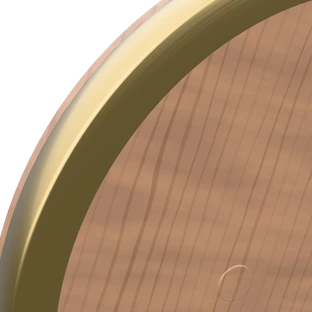
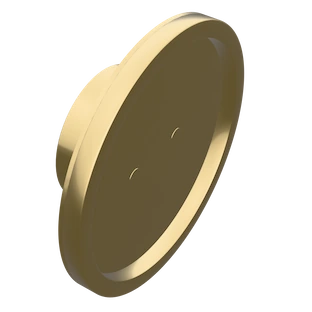
sheet and rod — CZ108 spinning stock
- wood →
- AMERICAN BLACK CHERRY · harmony · janka 950
- body →
- MATCHING
- dots →
- turned pins that read as RIVETS, not dowels
Patinas better than anything here, and the only row that reframes the object as a fixture rather than a fastener · cold to the touch, which matters for something you reach for in a coat · cherry darkens as brass warms — the only pairing whose two halves share an aging curve.
THE STOCK GLYPH ANSWERS ONE QUESTION: DASHED CIRCLE Ø102 IS THE FACE TO BE CUT · SOLID TONE IS THE BLANK YOU GET · A FULL FIELD MEANS NO CEILING
STOCK FIGURES SOURCED 2026-08-10, ONE SUPPLIER PER ROW · UREA IS CONFIRMED AS A MOLDER BUT UNVERIFIED AT Ø102 · MAZZUCCHELLI BEGAN IN 1849 IN HORN, BONE AND TORTOISESHELL, WHICH MAKES ROWS 08 AND 03 ONE COMPANY’S HISTORY IN ORDER
GABOON AND MACASSAR EBONY ARE IUCN VULNERABLE; AFRICAN BLACKWOOD IS CITES APPENDIX II · THE SUBSTITUTE IS EBONIZED DOMESTIC OAK OR ASH, WHICH IS THE SAME MOVE THE OBJECT ITSELF MAKES
BUFFALO HORN IS LEGAL AND ETHICALLY CONTESTED · ASK ME WHAT I LEARNED ABOUT SPECIES DOCUMENTATION
A small thing, finally on the wall. Made before drawn.
A brief making — wood blanks, dowels, screws, an afternoon. Useful because the want preceded the drawing.