A Greek stone-lighting line with a finished product and no brand around it. Creative direction, identity, and a pigment study arguing that color was the system.
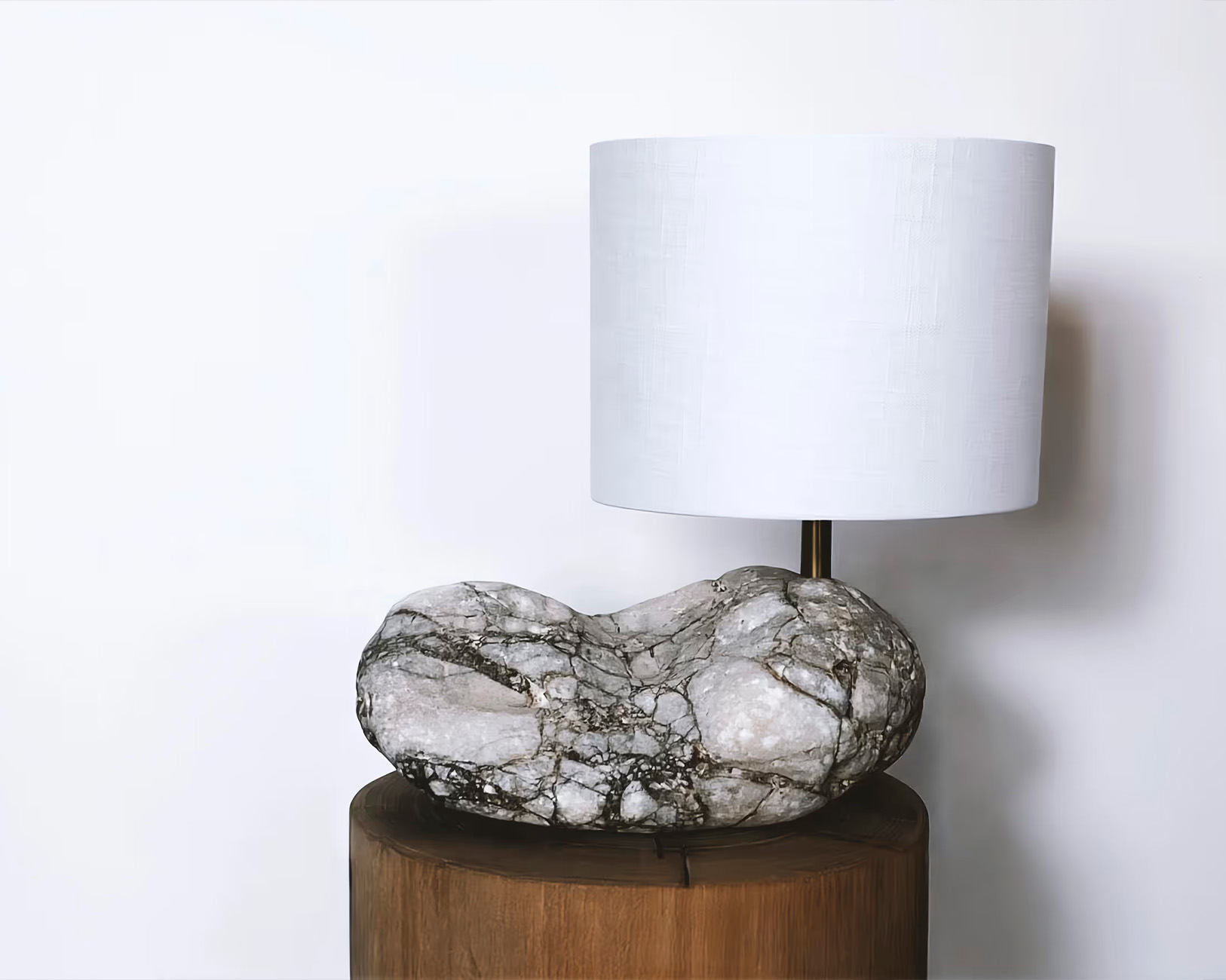
Litstone is a lighting and object design studio founded by Ioannis Pappos, specializing in custom-built pieces crafted from Greek stones sourced in Pelio.
Ioannis Pappos founded Litstone to cut lighting from stone quarried in Pelio, Greece, where the mountains meet the Aegean. He came to me in 2024 with a finished product and nothing around it. As creative director I held identity, brand strategy, the website, and US representation while he worked from Greece — and the pigment study, which argued that color was the system that would separate this line from every other beautiful lamp.
A product is not a brand.
The stone was beautiful and the lamp worked. Neither fact made it findable. The distance between a product and a brand is exactly the length of one argument, and finding that argument was the whole job.
The waste was the answer.
Boring the cord hole through each stone produces dust. Ground into the shade, that dust colors the light with the same stone it passes through. The byproduct identifies the object — a closed loop instead of an applied finish, and a reason to describe the line that nobody else can borrow.
Being overruled is not the same as being wrong.
The pigment study wasn't adopted. I still think it was right, and I learned to tell the difference.
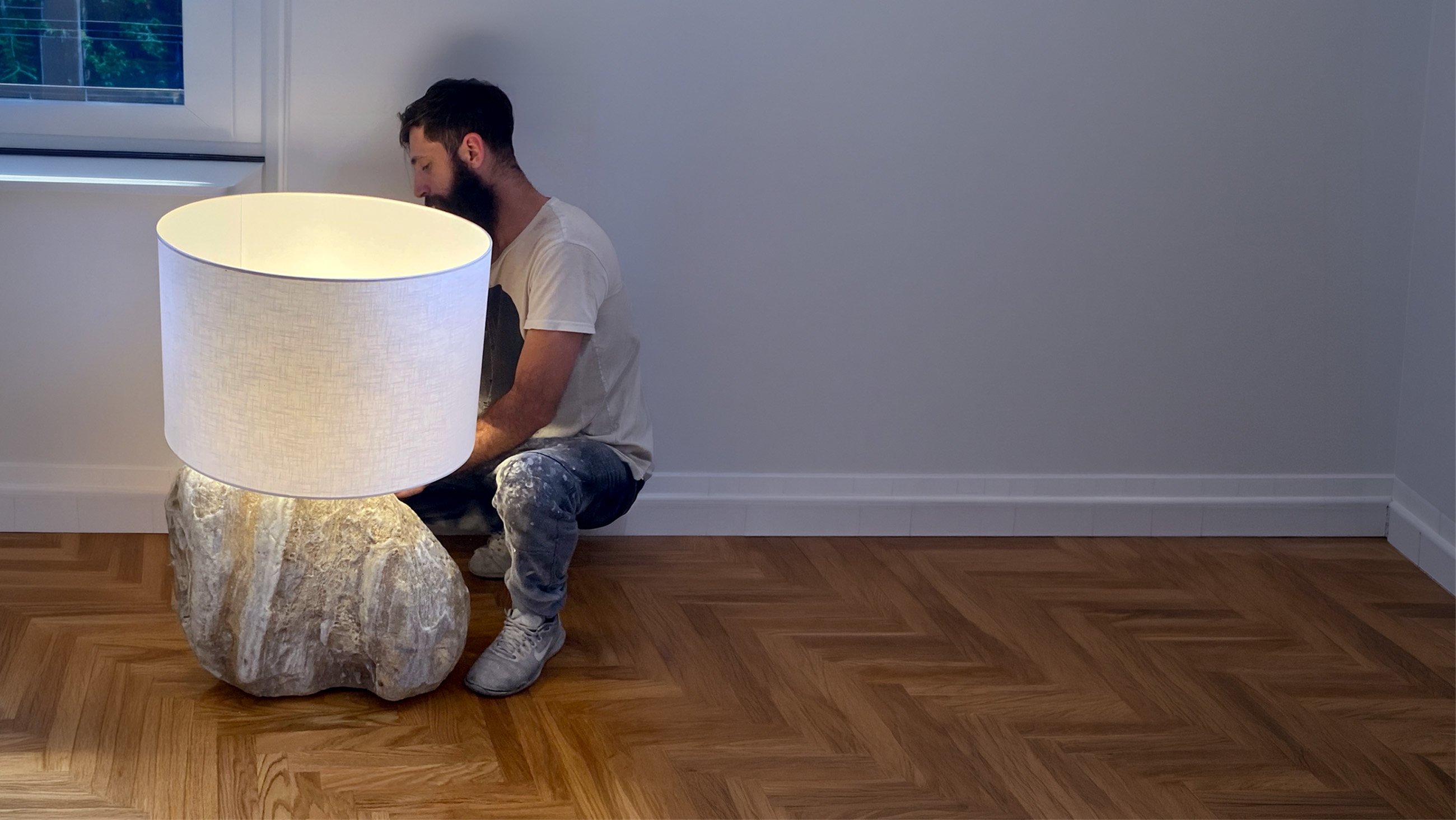

Stone quarried in Pelio, cut into light. The object was already good. What it needed was a reason to be described.
Stone quarried in Pelio, cut into light. The object was already good. What it needed was a reason to be described.
Stone quarried in Pelio, cut into light. The object was already good. What it needed was a reason to be described.


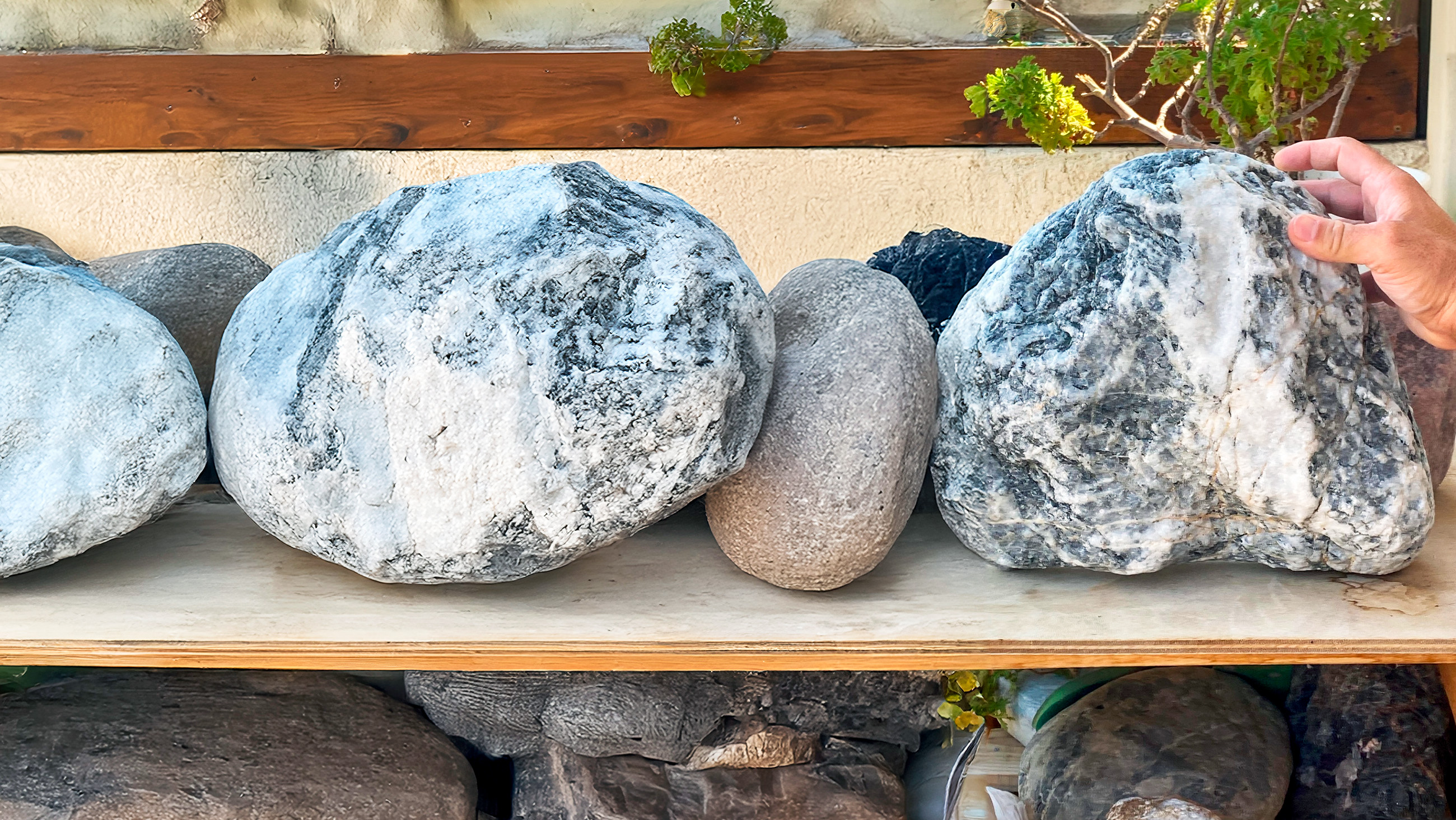
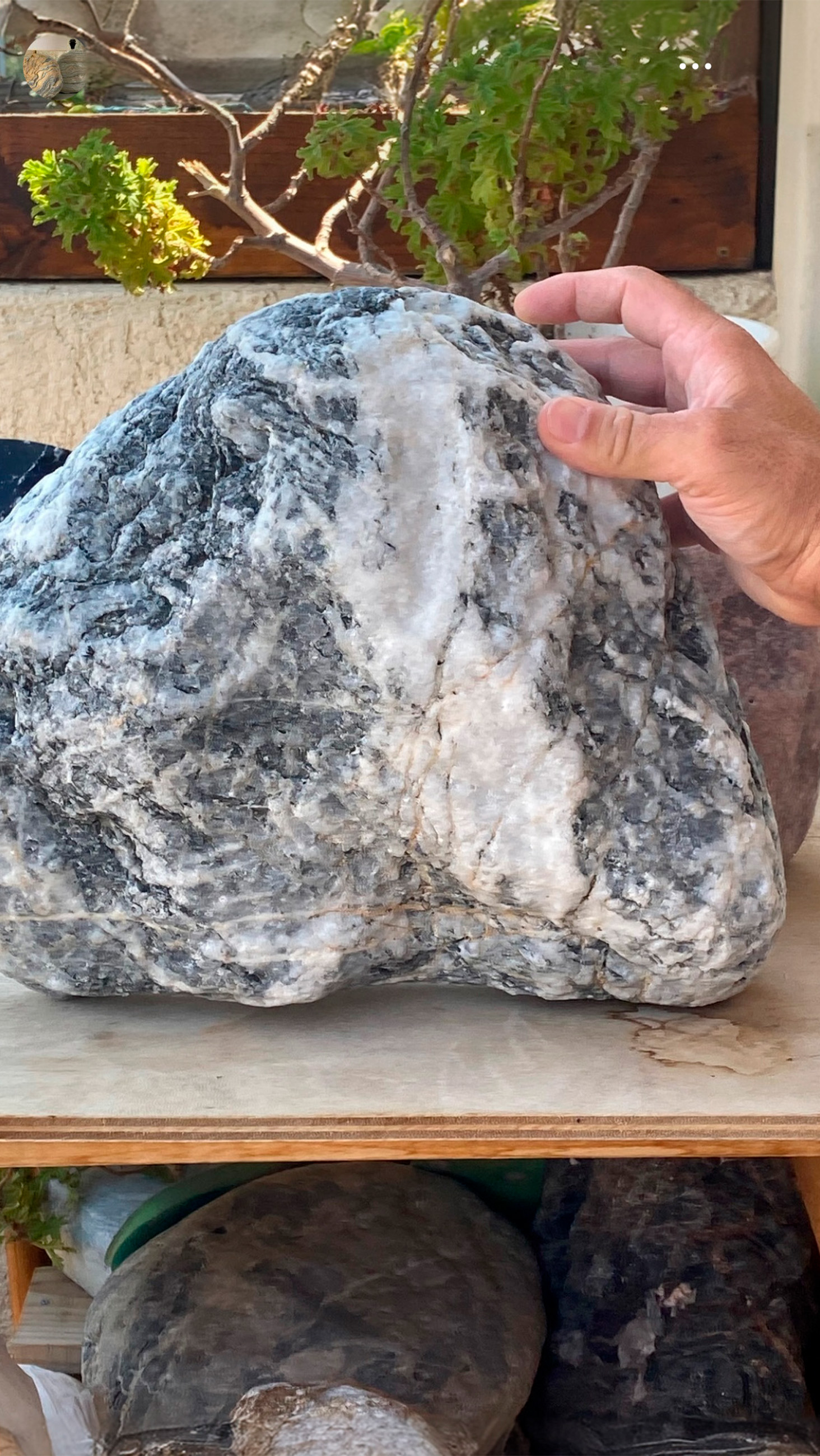


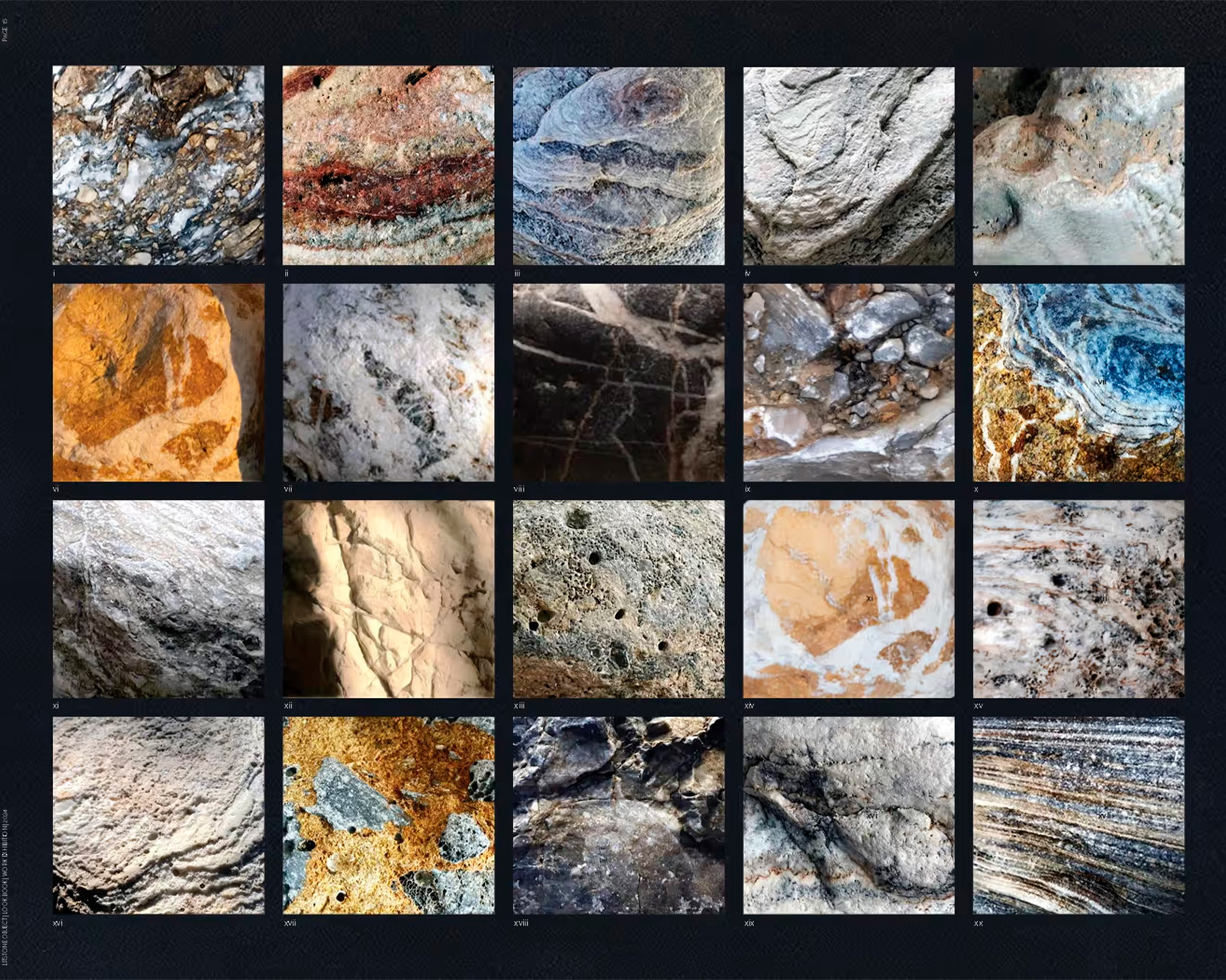


A product is not a brand. The stone was beautiful and the lamp worked — neither fact made it findable.
A product is not a brand. The stone was beautiful and the lamp worked — neither fact made it findable.
A product is not a brand. The stone was beautiful and the lamp worked — neither fact made it findable.


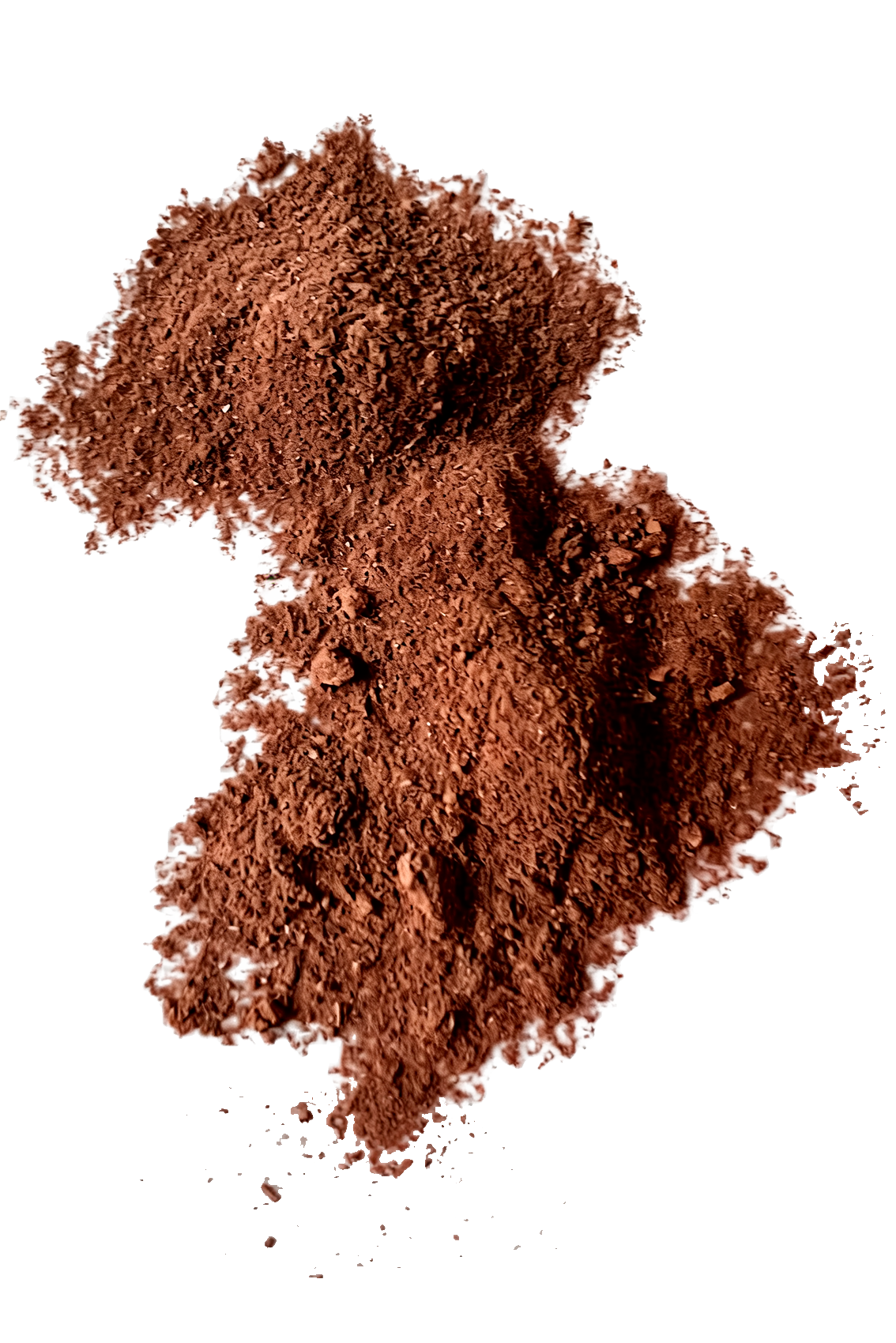
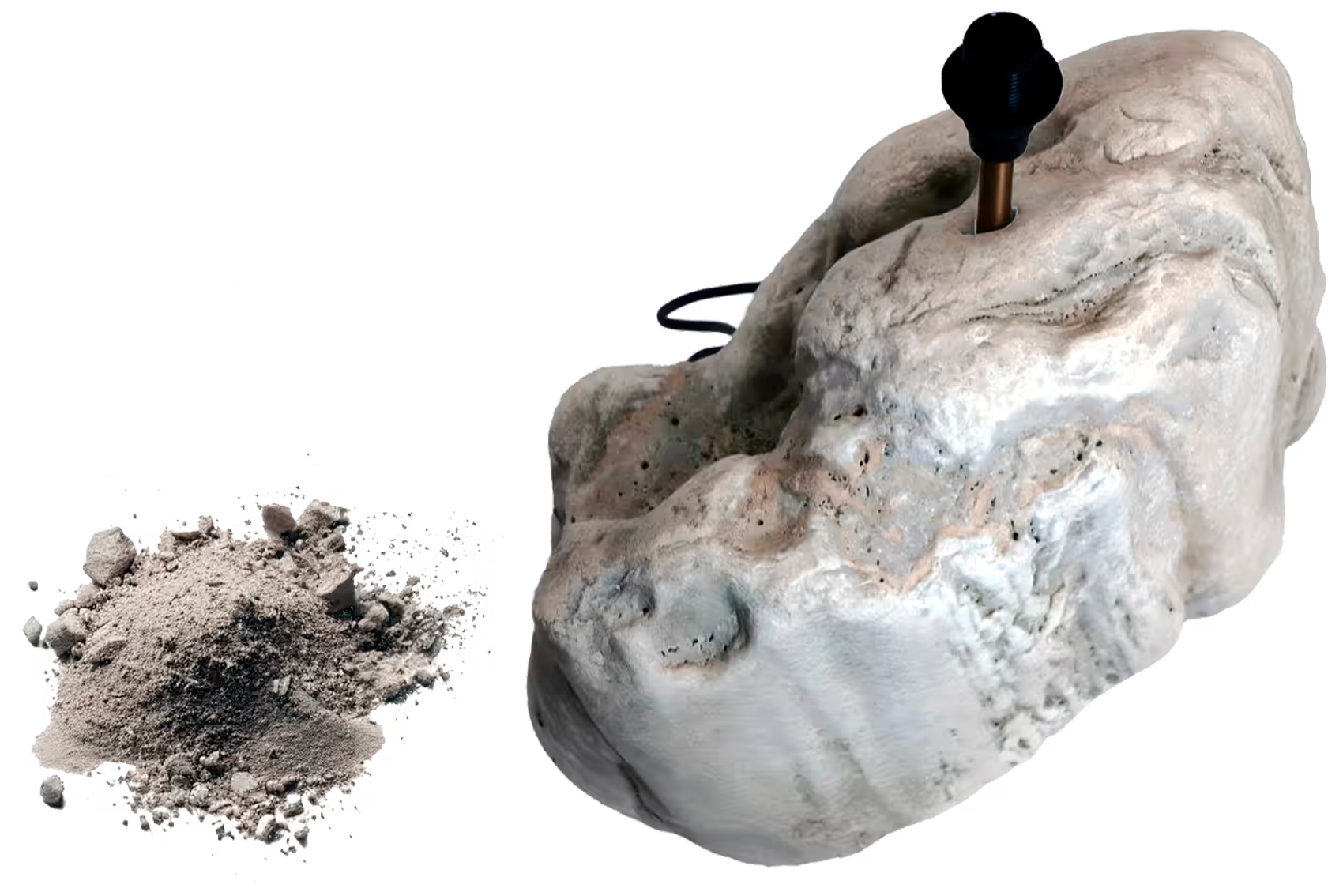


Boring the cord hole produces dust. Ground into the shade, that dust colors the light with the same stone it passes through.
Boring the cord hole produces dust. Ground into the shade, that dust colors the light with the same stone it passes through.
Boring the cord hole produces dust. Ground into the shade, that dust colors the light with the same stone it passes through.



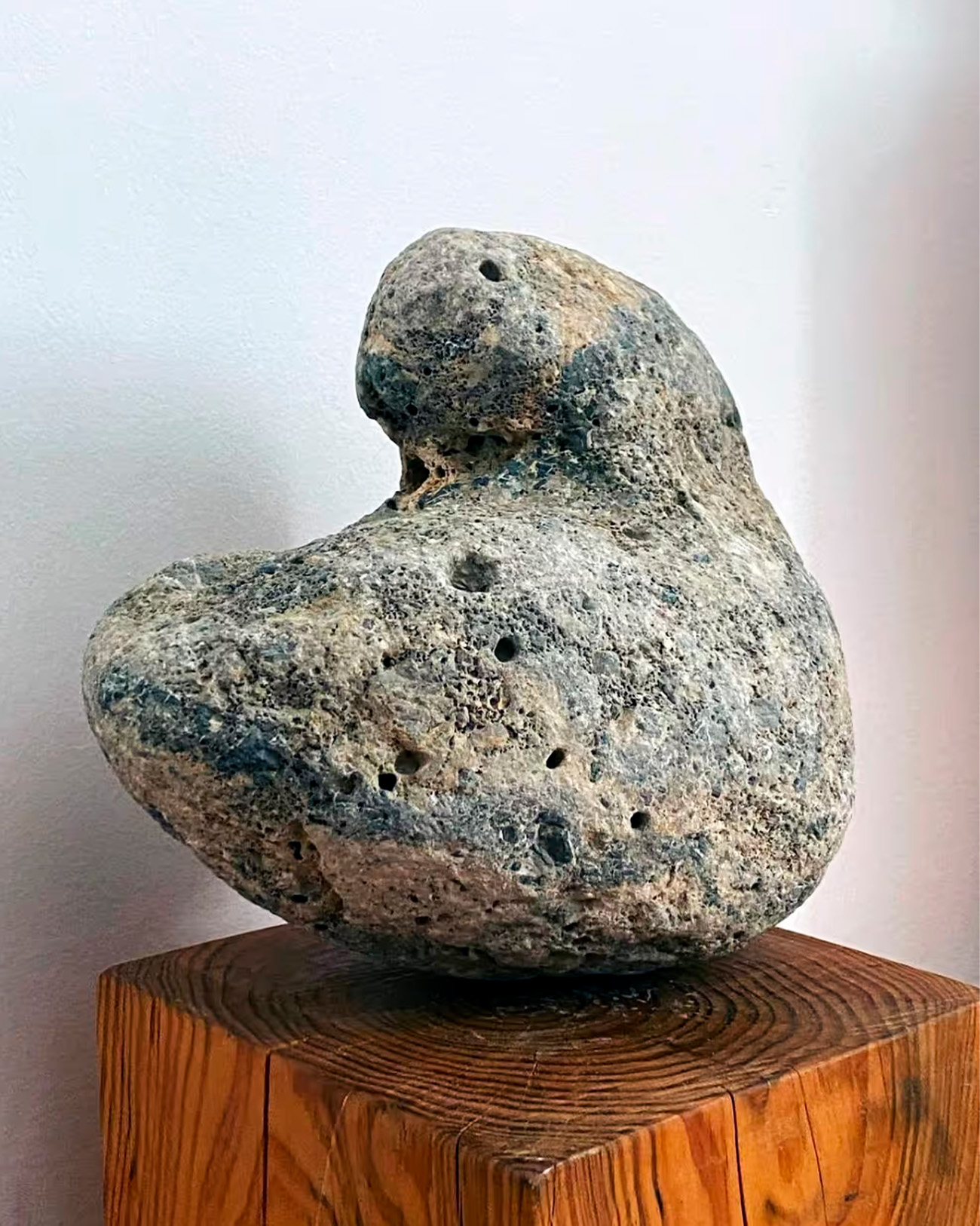
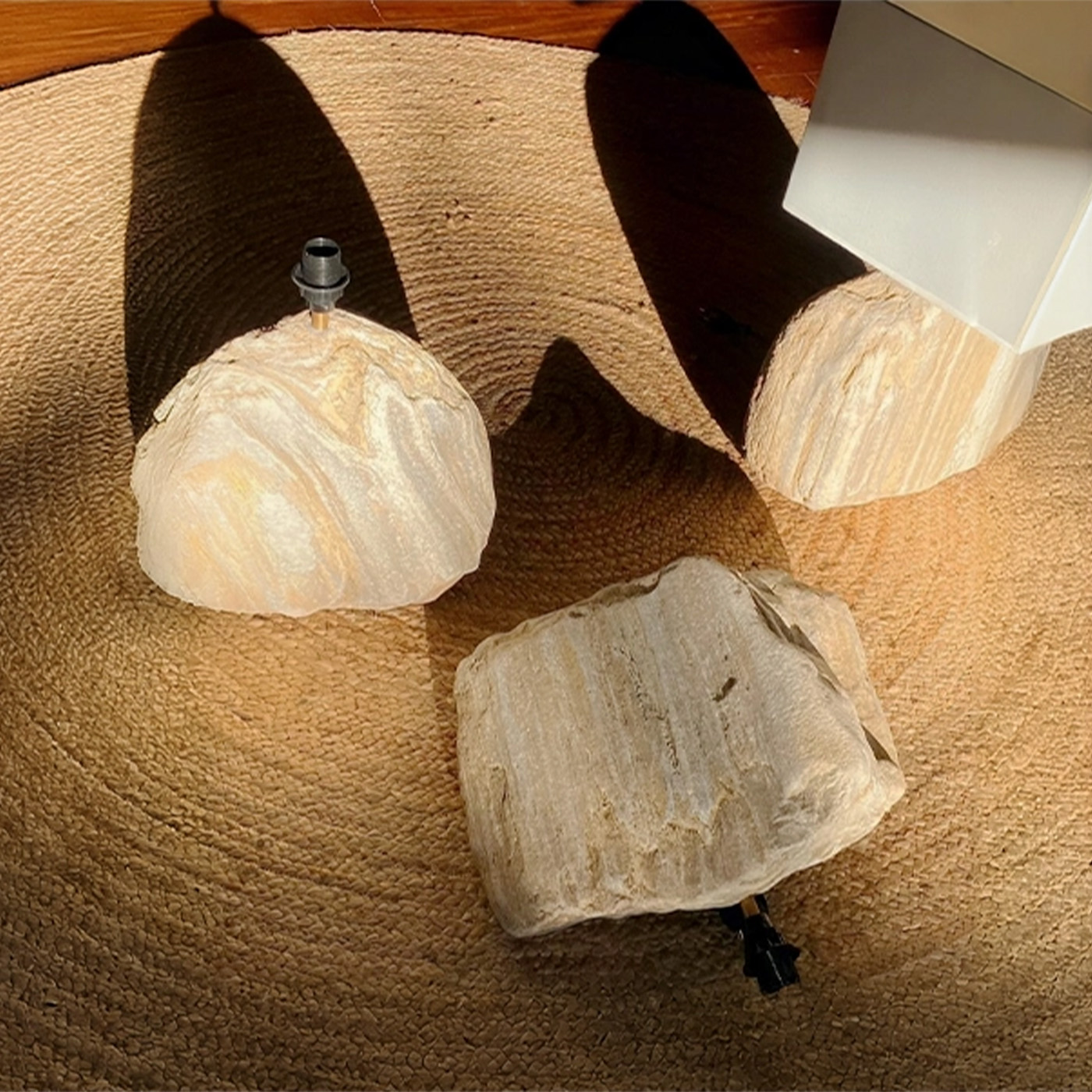
A byproduct that identifies the object — a closed loop instead of an applied finish. Five stones, five colors, one system.
A byproduct that identifies the object — a closed loop instead of an applied finish. Five stones, five colors, one system.
A byproduct that identifies the object — a closed loop instead of an applied finish. Five stones, five colors, one system.

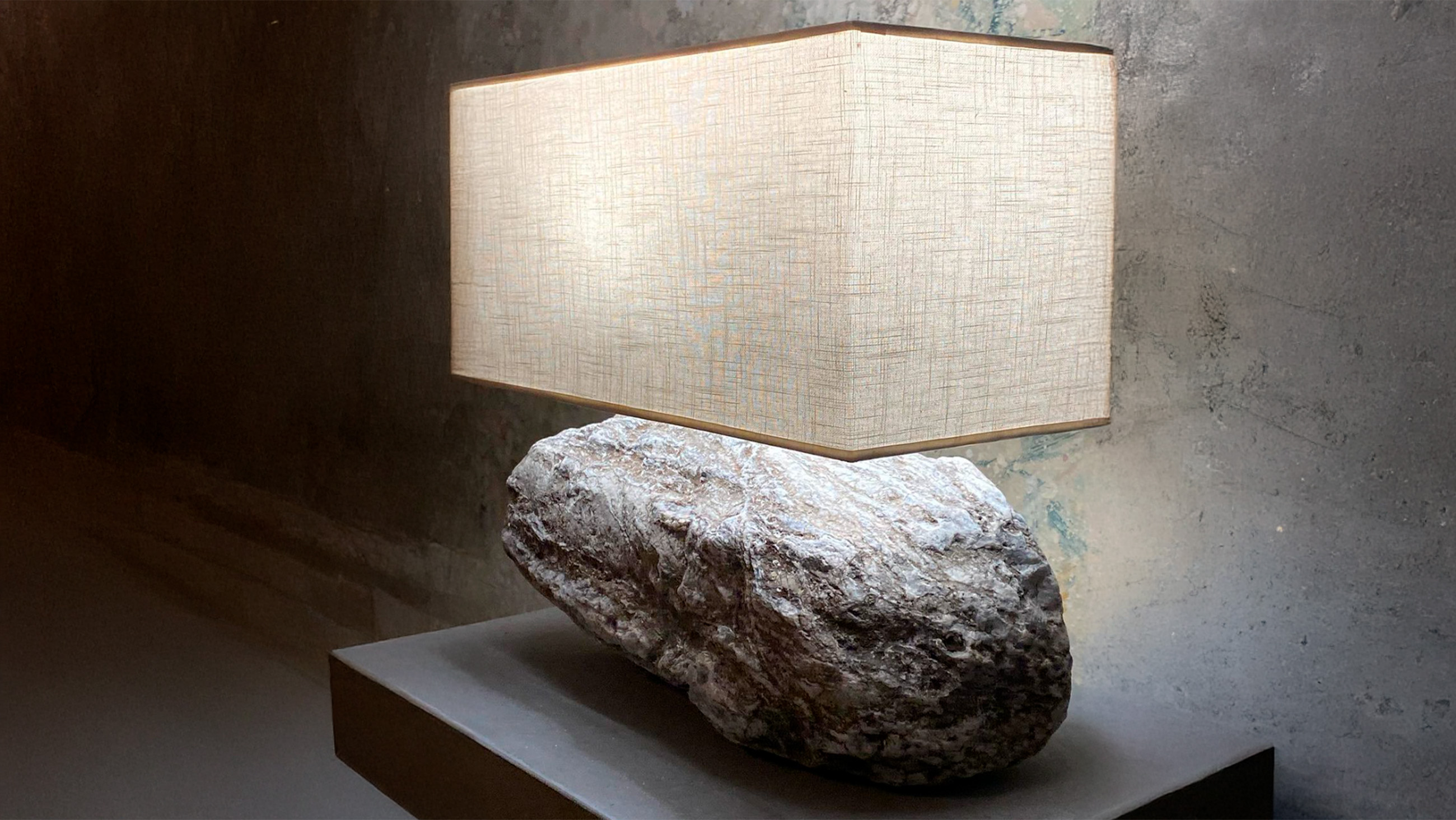


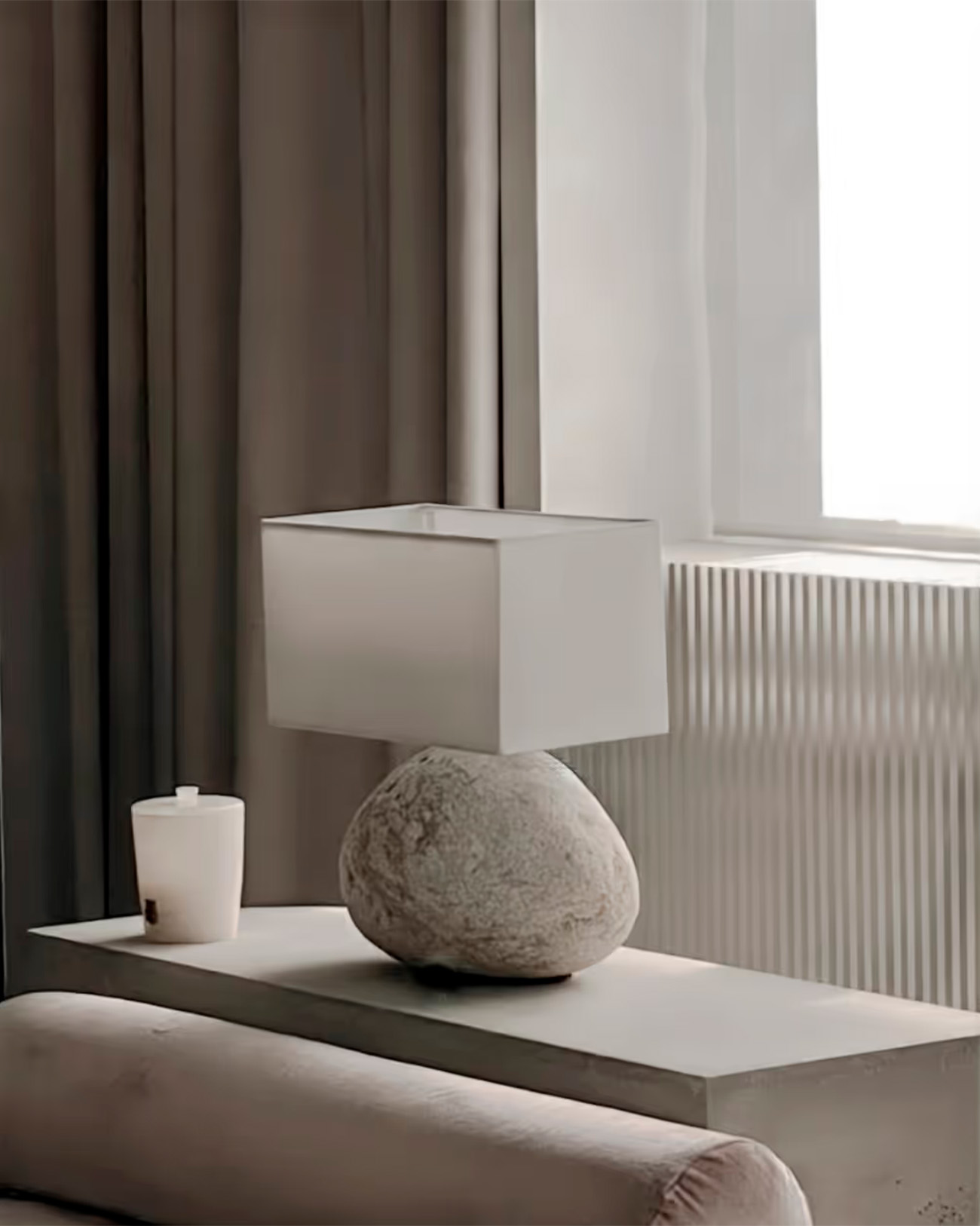


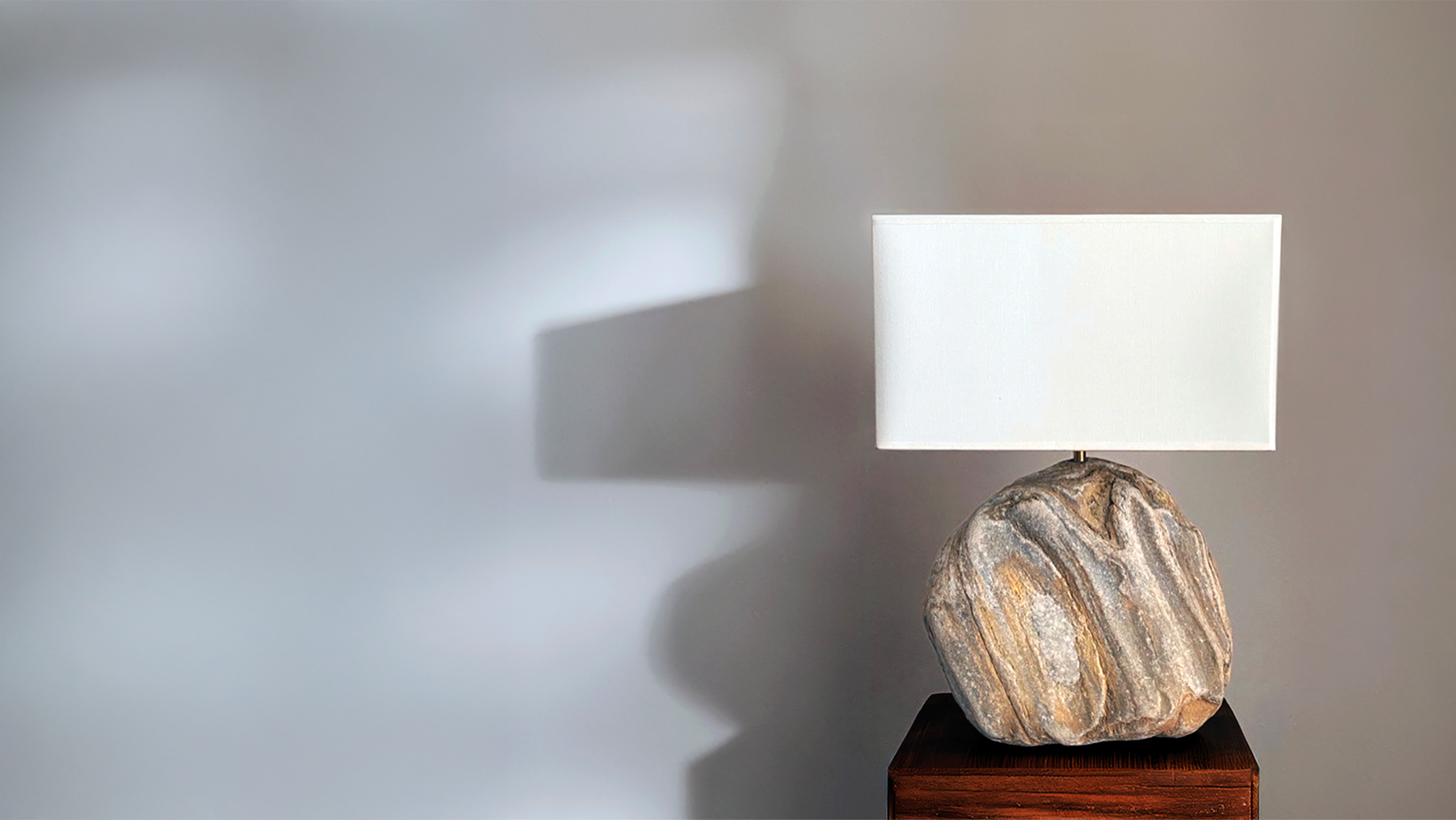

Litstone, The Bolster, in situ.
Litstone, The Bolster, in situ.
Litstone, The Bolster, in situ.